How Does Concrete Restoration Save Money Compared to Replacement?
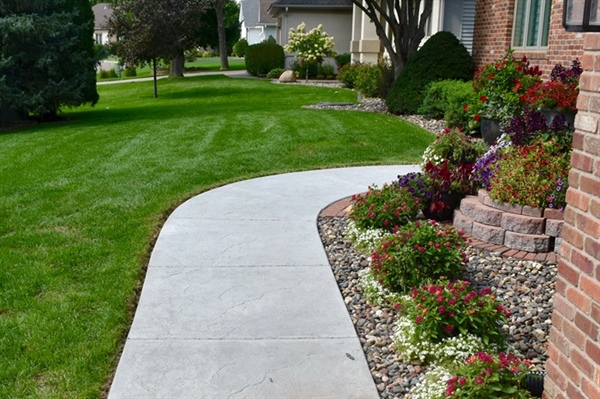
Concrete restoration offers a cost-effective and efficient alternative to full replacement for both residential and commercial surfaces. Over time, concrete can crack, chip, or lose its finish due to exposure and wear, but modern restoration techniques have made it possible to extend the lifespan of existing structures.
Rather than tearing out and rebuilding entire slabs, restoration processes repair and protect the concrete that’s already in place—saving both time and money.
With Artisan Concrete Pro’s experience in polishing, sealing, and refinishing, property owners can achieve the appearance and performance of new concrete at a fraction of the replacement cost.
Throughout this article, we’ll explore how restoration addresses surface damage, how grinding and sealing enhance durability, the ability to restore structural integrity, the environmental benefits, and the true cost comparison between restoration and replacement.
Understanding these factors highlights why concrete restoration continues to grow in popularity among property owners looking for long-term, sustainable savings.
Common Types of Surface Damage Concrete Restoration Can Fix
Concrete restoration can repair a range of issues without requiring full demolition. Typical surface damage includes cracks caused by shrinkage or freeze-thaw cycles, spalling from water intrusion, surface pitting, and discoloration from UV exposure or chemical spills.
These issues often appear cosmetic but can lead to deeper degradation if not treated promptly. Restoration techniques such as resurfacing and patching address both the appearance and the function of the surface.
Advanced materials like epoxy mortars and polymer overlays are used to rebuild damaged sections, restoring the surface’s uniformity and strength.
When combined with grinding and sealing, these techniques eliminate weak points where water and contaminants can penetrate. This proactive approach prevents future damage, significantly extending the structure’s usable life.
Through surface repair, sealing, and refinishing, property owners reduce the need for ongoing patchwork.
The methods used in concrete restoration can effectively return deteriorated concrete to its original condition while avoiding the downtime and cost of replacement.
How Grinding & Sealing Strengthen Old Concrete
Grinding and sealing are two of the most effective ways to revitalize worn concrete. Grinding removes surface imperfections and opens the pores of the concrete, allowing sealers or densifiers to penetrate deeply.
This strengthens the structure at the molecular level, producing a denser, more durable surface resistant to abrasion, moisture, and staining.
Sealing acts as a protective layer that shields the concrete from chemical and mechanical damage. When applied after grinding, it provides a smoother, more refined finish that resists dusting and erosion.
This method is particularly useful in high-traffic environments such as warehouses, garages, and commercial facilities, where floor performance directly affects maintenance costs and safety.
By combining these two steps, restoration specialists can transform aged concrete into a strong, low-maintenance surface. The process not only enhances the floor’s visual appeal but also extends its lifespan, reducing the need for future interventions.
Restoring Structural Integrity in Commercial Concrete
In commercial spaces, structural degradation can stem from heavy loads, chemical exposure, or moisture intrusion. Restoration techniques can restore both surface and subsurface strength without requiring complete replacement.
Epoxy injections, structural overlays, and bonded resurfacing materials fill voids and cracks, improving load-bearing capacity and preventing further deterioration.
Concrete restoration professionals use advanced testing methods to assess the substrate’s condition before choosing the proper repair materials. The restored surface often meets or exceeds the performance of the original, making it suitable for industrial and commercial applications. This method not only improves safety but also reduces downtime during repairs.
Because restoration focuses on reinforcing what already exists, it can recover much of the original integrity at a significantly lower cost. These benefits make restoration a practical solution for facilities where operational continuity and structural stability are critical.
Reducing Environmental Impact Through Concrete Restoration
Concrete restoration is inherently more sustainable than replacement because it minimizes demolition waste and reduces the need for new materials.
Producing and transporting fresh concrete consumes significant energy and resources, while restoration repurposes existing structures, lowering the overall carbon footprint. This makes it an environmentally responsible choice for both residential and commercial property owners.
Restoration processes like grinding, sealing, and resurfacing require fewer raw materials, and many of the sealers and coatings used today are low-VOC or water-based, further reducing environmental harm.
Extending the service life of existing concrete also limits the demand for aggregate and cement production—two major sources of CO₂ emissions in the construction industry.
By preserving rather than replacing, property owners contribute to sustainability goals without sacrificing performance. Environmentally conscious restoration methods align with modern green building standards while delivering practical financial savings.
Typical Cost Differences Between Restoration & Replacement
The cost difference between restoration and replacement can be substantial. Full replacement requires demolition, disposal, new materials, formwork, labor, and curing time.
Restoration, by contrast, focuses on repairing and refinishing existing concrete, often costing 30% to 70% less than replacement depending on the extent of the damage.
Time savings also translate into cost savings. Restoration projects can often be completed within days instead of weeks, reducing labor expenses and minimizing operational downtime.
This makes restoration particularly valuable for commercial clients, where every day of closure can represent lost revenue.
For property owners comparing both options, restoration delivers a strong return on investment while maintaining structural integrity and aesthetics. To learn more or request professional guidance, visit Artisan Concrete Pro for additional information and service options.
Expert Concrete Restoration Services in West St. Paul
Artisan Concrete Pro provides advanced surface restoration, polishing, and sealing solutions designed to extend the life and beauty of concrete surfaces throughout West St. Paul and the Twin Cities. With years of industry experience, we deliver cost-effective and environmentally responsible results tailored to residential and commercial applications.
Whether it’s repairing cracks, strengthening existing slabs, or applying protective coatings, Artisan Concrete Pro combines technical expertise with precision craftsmanship. Homeowners and businesses benefit from a durable, renewed surface that performs like new without the high cost of replacement.
To discuss your project or schedule a consultation, call 612-791-0441, visit us in West St. Paul, or contact us online to connect with a specialist today.