How Interior Concrete Staining Transforms Living Spaces
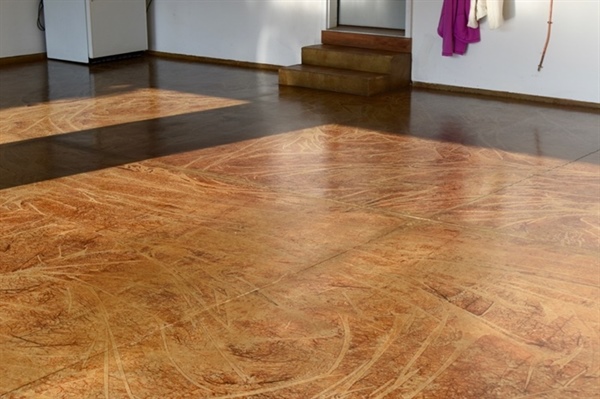
Concrete flooring has moved far beyond the industrial look once associated with unfinished basements or garages. Modern interior concrete staining services have become a design staple for homeowners who want a surface that combines artistic flexibility with remarkable strength. By treating concrete as a decorative medium, experts can create floors that radiate warmth, reflect light beautifully, and elevate the entire living environment. Artisan Concrete Pro specializes in these transformations, redefining how interior spaces feel and function through surface chemistry and precision craftsmanship.
In this article, we explore the science and artistry behind interior staining through five key questions: the range of available colors, how stains interact with light, the ability to mimic high-end materials, the environmental impact of staining products, and the sealing methods that preserve color vibrancy. Each section offers a factual and in-depth look at the materials, processes, and design outcomes that make stained concrete one of the most advanced interior finishes available today.
Color Variations Achievable Through Interior Concrete Staining
Interior concrete staining allows for nearly limitless color possibilities, depending on whether acid-based or water-based stains are used. Acid stains react chemically with the concrete’s lime content, creating earthy tones such as browns, ambers, and greens. Each application produces unique marbling and variation due to differences in surface composition and porosity. In contrast, water-based stains rely on pigments suspended in a solution that penetrates the surface uniformly, offering a broader palette including contemporary grays, blues, reds, and even translucent metallic effects.
Layering and dilution techniques expand the achievable hues even further. Skilled technicians use multiple applications and blending patterns to develop gradients or veining that mirror natural stone. Because concrete staining integrates color into the material itself—rather than applying a film on top—the finish maintains depth and consistency over years of wear. The result is a floor that remains visually dynamic while requiring minimal upkeep.
Professional interior concrete staining applications balance artistry with chemical precision. By adjusting concentration levels, surface temperature, and dwell time, experts can produce effects ranging from subtle antique tones to bold architectural statements. These color transformations redefine how homeowners perceive concrete as a design surface.
Interaction Between Concrete Stains and Natural Light
Light plays a critical role in the perception of stained concrete surfaces. Because the stain permeates the material rather than sitting atop it, the resulting finish interacts with ambient light to produce varying reflectivity. In rooms with abundant natural light, acid-stained floors tend to appear more vibrant during daylight hours, while taking on richer, subdued tones under artificial lighting. This shift in appearance is a direct result of the stain’s translucency and the concrete’s micro-texture.
Polished surfaces enhance these optical effects by increasing light diffusion across the floor, often reducing the need for additional lighting. Water-based stains can be used to fine-tune reflectivity by controlling pigment density and matte or gloss finishes. Designers leverage these properties to create spatial depth and movement across open interiors. In smaller rooms, lighter stains paired with high-reflective sealers can make spaces appear larger and more inviting.
The interaction between stain color and daylight orientation also influences design choices. South-facing rooms, for example, may benefit from cooler tones to balance intense sunlight, while east-facing areas can achieve warmth through amber or terracotta stains. This interplay of chemistry and light physics gives stained concrete its distinctive aesthetic versatility.
Replicating High-End Materials Through Concrete Staining
Concrete staining can convincingly replicate the visual qualities of materials such as marble, travertine, or aged leather. Through controlled application techniques, artisans manipulate color gradients, veining, and depth to mimic organic stone patterns. This approach provides homeowners with a high-end aesthetic at a fraction of the cost of quarried materials while maintaining concrete’s inherent durability.
Achieving these effects requires surface preparation and stain layering that follow geological principles of coloration and fracture. For example, acid staining combined with selective polishing can produce a semi-translucent pattern similar to polished marble, while overlays combined with dual-tone water-based stains simulate the stratification found in limestone. These finishes not only provide visual realism but also deliver long-term resilience against traffic wear and moisture.
Because the design is embedded within the material, stained concrete avoids peeling, chipping, or color loss common with surface coatings. This structural integration makes it an ideal solution for homeowners seeking timeless elegance without the maintenance demands of natural stone.
Impact of Staining on Indoor Air Quality and VOC Levels
Modern interior staining products are engineered for low environmental impact and improved indoor air quality. Traditional solvent-based sealers once emitted volatile organic compounds (VOCs), but today’s formulations often rely on waterborne chemistry with minimal emissions. Many professional-grade stains are compliant with U.S. EPA and LEED standards, ensuring that living spaces remain safe and odor-free during and after application.
Water-based stains release little to no harmful fumes and contain binders that stabilize pigments without chemical off-gassing. Acid stains, while reactive, are neutralized and rinsed post-application, leaving behind a stable surface that does not emit VOCs. For sensitive environments—such as homes with children or those managing indoor allergies—these innovations make stained concrete a sustainable alternative to vinyl or synthetic flooring.
Proper ventilation and curing procedures further enhance air safety. Certified installers follow precise neutralization and sealing protocols that eliminate residue and maintain pH balance. As a result, stained concrete provides both aesthetic and environmental advantages, aligning with growing homeowner demand for sustainable building materials.
Sealing Methods That Maintain Color Depth and Vibrancy
Sealing is the final step in interior staining and plays a critical role in preserving color integrity. Acrylic, polyurethane, and epoxy sealers are the most common systems, each offering different levels of sheen and abrasion resistance. Acrylic sealers provide a breathable, cost-effective finish suitable for most residential interiors, while polyurethane sealers deliver superior chemical resistance and gloss retention in high-traffic zones.
For maximum depth, penetrating sealers bond within the concrete matrix rather than forming a surface film. This approach enhances natural luster without altering texture, making it ideal for floors designed with subtle marbling or layered pigment effects. Proper sealing also prevents UV degradation and staining from spills, ensuring long-term vibrancy even under constant exposure to sunlight and household use.
Maintenance schedules depend on traffic levels and environmental factors, but professional inspection every few years ensures consistent performance. Homeowners can schedule services directly through Artisan Concrete Pro for tailored sealing solutions that complement their aesthetic preferences and durability requirements.
Transforming Interiors Through Craftsmanship and Science
Artisan Concrete Pro has built its reputation on combining advanced material science with artistic precision. By understanding chemical composition, light behavior, and long-term performance, the company transforms concrete into a functional art form that enhances the livability of interior spaces. Whether achieving natural stone effects, optimizing indoor air quality, or applying high-performance sealers, each project demonstrates a balance of innovation and design expertise.
To learn how these processes can redefine your home, visit or contact us today. Artisan Concrete Pro is located at 4825 Minnetonka Blvd, Minneapolis, MN 55416 and can be reached at 612-791-0441. Their team provides detailed consultations to guide homeowners through color selection, light testing, and sealing options that match every vision.